

The global food landscape is undergoing a massive transformation. Today’s consumers are no longer just looking for convenience; they are demanding transparency, sustainability, and high nutritional value. This shift has pushed organic food exports from a niche market segment into a multi-billion-dollar global industry.
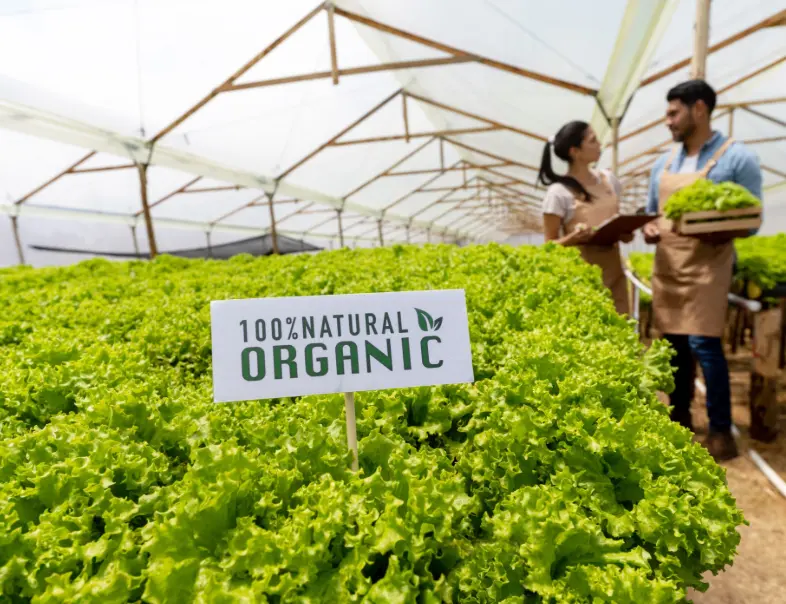
For food manufacturers, retailers, and distributors, securing a reliable flow of premium organic ingredients is no longer just an advantage—it is a necessity for survival. But how can businesses navigate the complexities of international organic trade, and what does it take to build a resilient supply chain?
- The Surging Global Appetite for Certified Organics
From North America to Europe and East Asia, the demand for certified organic products continues to hit record highs. Consumers are actively avoiding synthetic pesticides, chemical preservatives, and GMOs. They want clean-label products with simple, recognizable ingredients.
To meet this demand, food brands must source high-quality raw materials in bulk. This is where the role of an experienced organic ingredient supplier becomes critical. Sourcing internationally allows businesses to diversify their portfolios and secure year-round availability of seasonal crops like organic dried fruits, nuts, and pulses.
- Navigating the Logistics of Clean Labels
Exporting organic food is vastly different from shipping conventional goods. Because organic products are processed without synthetic preservatives or artificial stabilizers, they rely entirely on their natural stability. This makes temperature control, clean logistics, and efficient transit times non-negotiable.
Key Operational Milestones in Organic Sourcing:
1.Verify Organic Certifications:Pre-order Check.
Ensure the exporter holds valid international certifications (such as USDA Organic, EU Organic, or local equivalents) to guarantee smooth customs clearance.
2.Secure Seasonal Quotes:Pricing Phase.
Request customized quotes based on current harvests and bulk volume needs. Organic crop prices naturally fluctuate based on yield and seasonal global demand.
3.Establish Just-In-Time Logistics:Shipping Strategy.
Coordinate with your logistics partner to minimize transit days. Opting for “just-in-time” supply directly from certified farms ensures you receive the freshest possible crop.
4.Quality Control at Port of Entry:Delivery and Verification.
Inspect the batch upon arrival to ensure seal integrity and confirm that no cross-contamination occurred during sea or land freight.
- Turkey: The Strategic Bridge for Organic Agriculture
When looking at the global map of organic agriculture, Turkey stands out as a premier hub. With its fertile soils, diverse microclimates, and rich agricultural heritage, the country produces some of the world’s finest organic dried figs, apricots, olive oils, and seeds.
Partnering with an established exporter located at this geographical crossroads gives global buyers a massive competitive edge. It simplifies transit to Europe, the Middle East, and Asia, ensuring faster lead times and fresher batches compared to far-flung origins.
Did You Know? Organic crops have a slightly shorter shelf life because they lack chemical fumigants and synthetic preservatives. However, this purity is exactly what premium consumers are willing to pay a surcharge for.
Looking for a Trusted Organic Export Partner?
At Foodimpex Inc., we have been bridging the gap between nature’s bounty and global markets since 2000. Operating as a premier exporter from Turkey, we supply high-quality, certified organic ingredients—from nutrient-dense nuts and seeds to premium olive oils—tailored to the needs of food manufacturers worldwide.
We prioritize long-term strategic alliances, transparent sourcing, and absolute customer satisfaction. Let us help you strengthen your organic supply chain with ingredients you can trust.